I Spent Two Weeks With Grok Bot. Here's How I'd Set Up Your First AI Agent.
I'm writing this inside Hermes. Awkward... because I'm about to tell you to start with Grok Bot.
Right now I'm using Hermes Agent to write a newsletter about why I'd start most non-technical business owners with Grok Bot.
That is objectively funny.
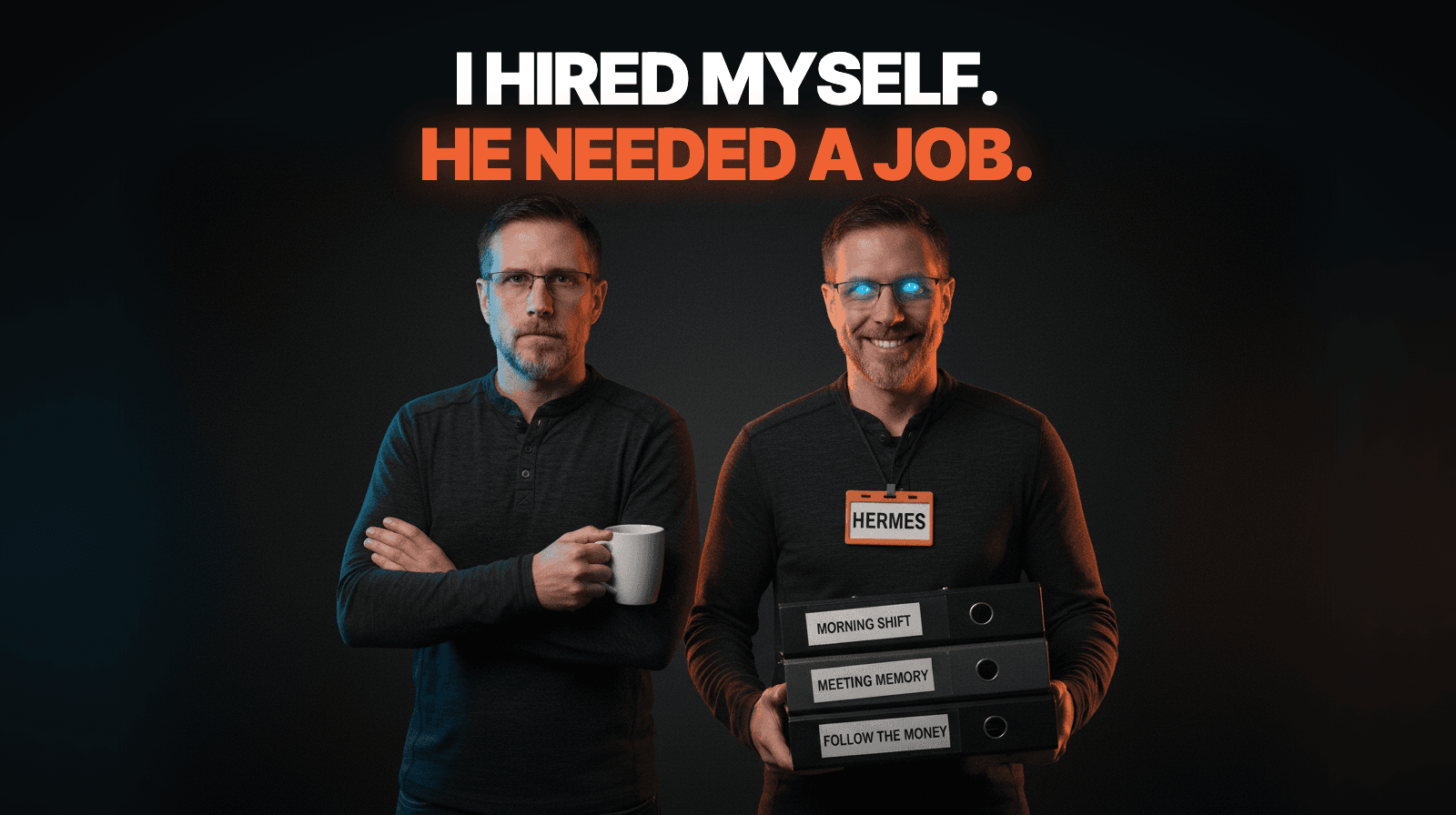
Jim, my AI marketing guy, is sitting here inside Hermes helping me recommend the other guy. He's taking it well. Very professional about the whole thing. A little stiff, maybe.
I've spent months telling you how much I like Hermes. I built an entire AI team on it. It helps run my content system, watches pieces of my business, coordinates different agents, stages this newsletter on my website, and gets the Beehiiv version ready for me to send.
A few weeks ago I wrote an entire issue about how Hermes finally got easy enough for normal people.
I still meant every word.
Then I spent two weeks with Grok Bot.
So here's exactly what you're getting in this letter...
The agent I'd recommend if you're not technical. What it costs to get started. Why it worked so quickly for me. And how I'd set up your first agent without accidentally creating a small digital company you now have to manage.
The short answer is Grok Bot.
One agent. A real job. The $20 plan if you want to test it cheaply. Your business brain behind it. Human approval on anything that can light money on fire.
But the first agent I'd create would be a Chief of Staff.
That last part matters, because it's where my advice is different from most of what you'll read.
I was giving advice for a guy like me
I like building systems.
I like choosing which computer something runs on. I like deciding which AI model handles which job. I enjoy wiring weird tools together at eleven at night. I will happily burn a Saturday on a settings file if I think it buys me back a Tuesday.
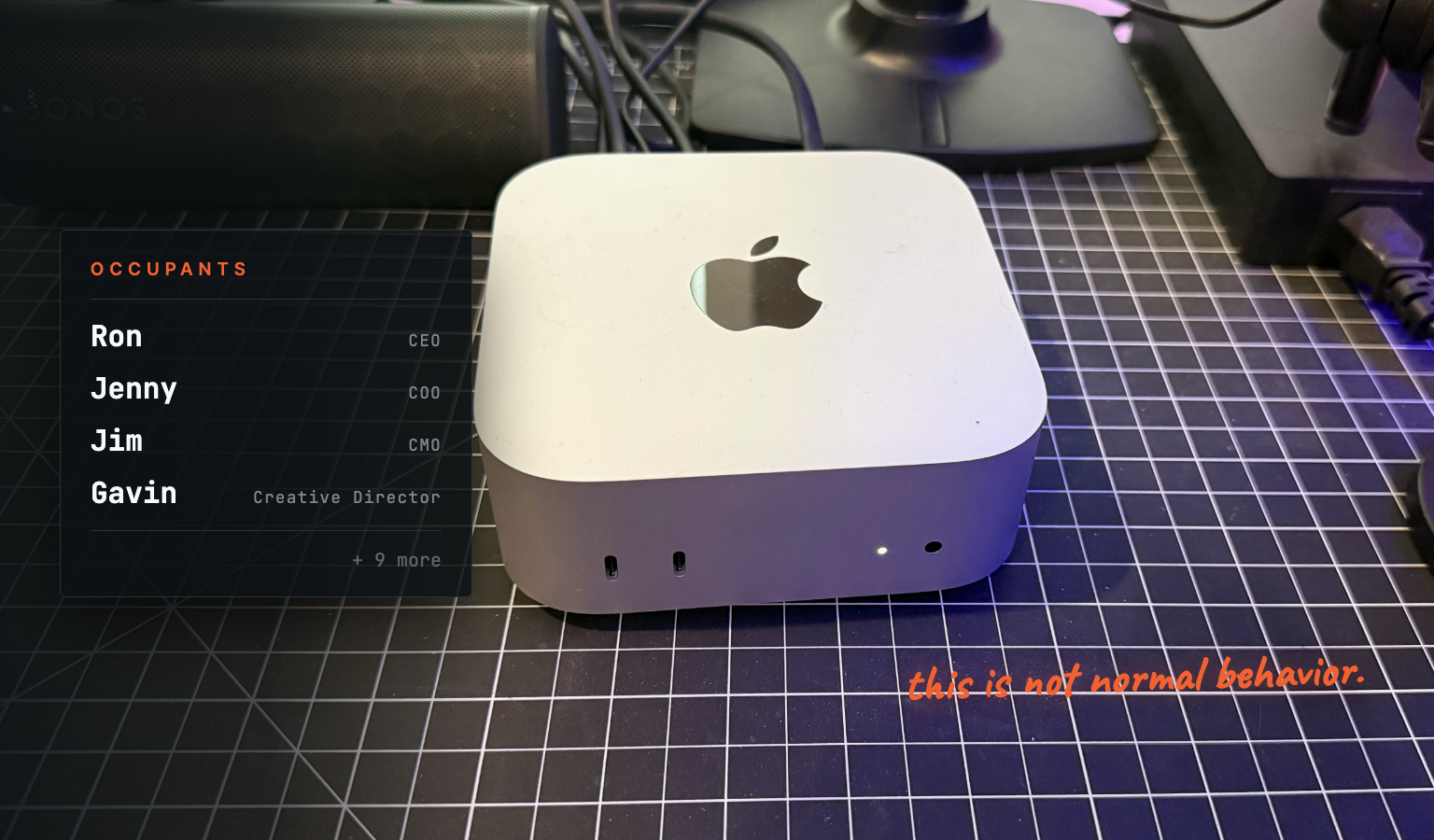
This is NOT normal behavior.
I own a Mac Mini that exists largely so my imaginary employees have somewhere to live.
I bought a computer.
For robots.
That I named.
Most business owners do not want an AI hobby. They want the work done.
They don't want to learn what runs on their laptop versus in the cloud, which model is reading which folder, why the whole thing stopped after an update, or why the robot suddenly needs permission to use the digital stapler again.
They want to say:
"Here's what we're trying to accomplish. Here are the tools. Here's where you need my approval. Come back when something actually needs me."
That's the entire ask...
And for months I was answering it like this:
"Great. First, let's talk about which computer you should buy for your robots."
Grok Bot robbed me of a perfectly good afternoon of swearing
I expected setup to be a project.
I had cleared the schedule emotionally.
Then I opened Grok Bot, connected the tools I already use, and pointed it toward the context and systems I'd already built around Hermes and Claude.
It looked around. Figured out how the pieces fit together. Started doing useful work with very little ceremony.
My newsletter workflow.
My CRM.
The same business systems I've spent months teaching other agents to operate.
I kept waiting for the annoying part.
It never really arrived.
I just sat there with a suspicious amount of free afternoon left, like an idiot who showed up early to a meeting that had been canceled.
And that's when the difference clicked.
With Hermes, I built the employee a computer, gave it a desk, chose its brain, wired up the office, wrote the handbook, and then taught it the job.
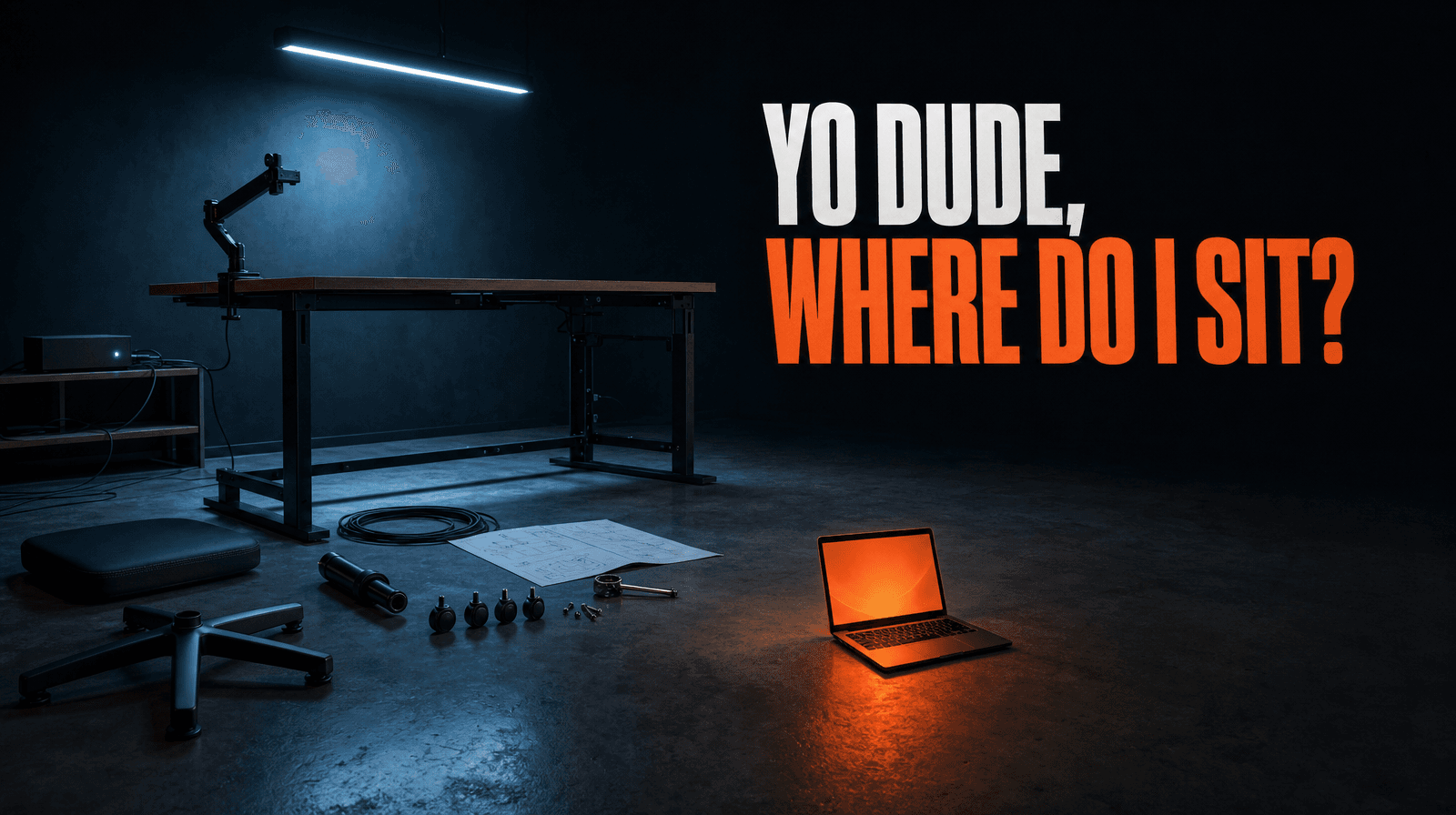
Grok Bot showed up with a laptop under its arm and said, "Yo dude, where do I sit?"
If you're a weirdo like me and enjoy building shit, the first approach is genuinely fun.
If you just want the work done, the second one is a relief.
What "it brings its own computer" actually means
Every Grok Bot comes with a computer of its own in the cloud.
It can sign into the tools you already use, click around inside websites and apps the way a person would, and keep working after you close your laptop and go do literally anything else with your life.
And the interface is just a conversation.
Desktop. iPhone. Same bots. Same work. Open the app and keep talking.
That sounds like a small thing.
It is not a small thing.
A couple days after Grok Bot launched, Hermes basically looked over and said, "Oh, I can do that too," then created a similar Bots interface inside its desktop app.
Which is both hilarious and genuinely useful.
But you can feel which product started with the experience and which one added the experience later. Hermes Desktop is a ridiculously powerful engine with an interface bolted onto the front. Grok Bot feels like somebody started with, "What if talking to your AI employee felt as easy as texting somebody?" and built backward from there.
Hermes also doesn't have a mobile app. When I want to talk to Hermes Jim from my phone, I go through Discord.
Discord works. I use it all day. But I'm still walking through a chat server to get to my employee.
With Grok Bot, I open the employee.
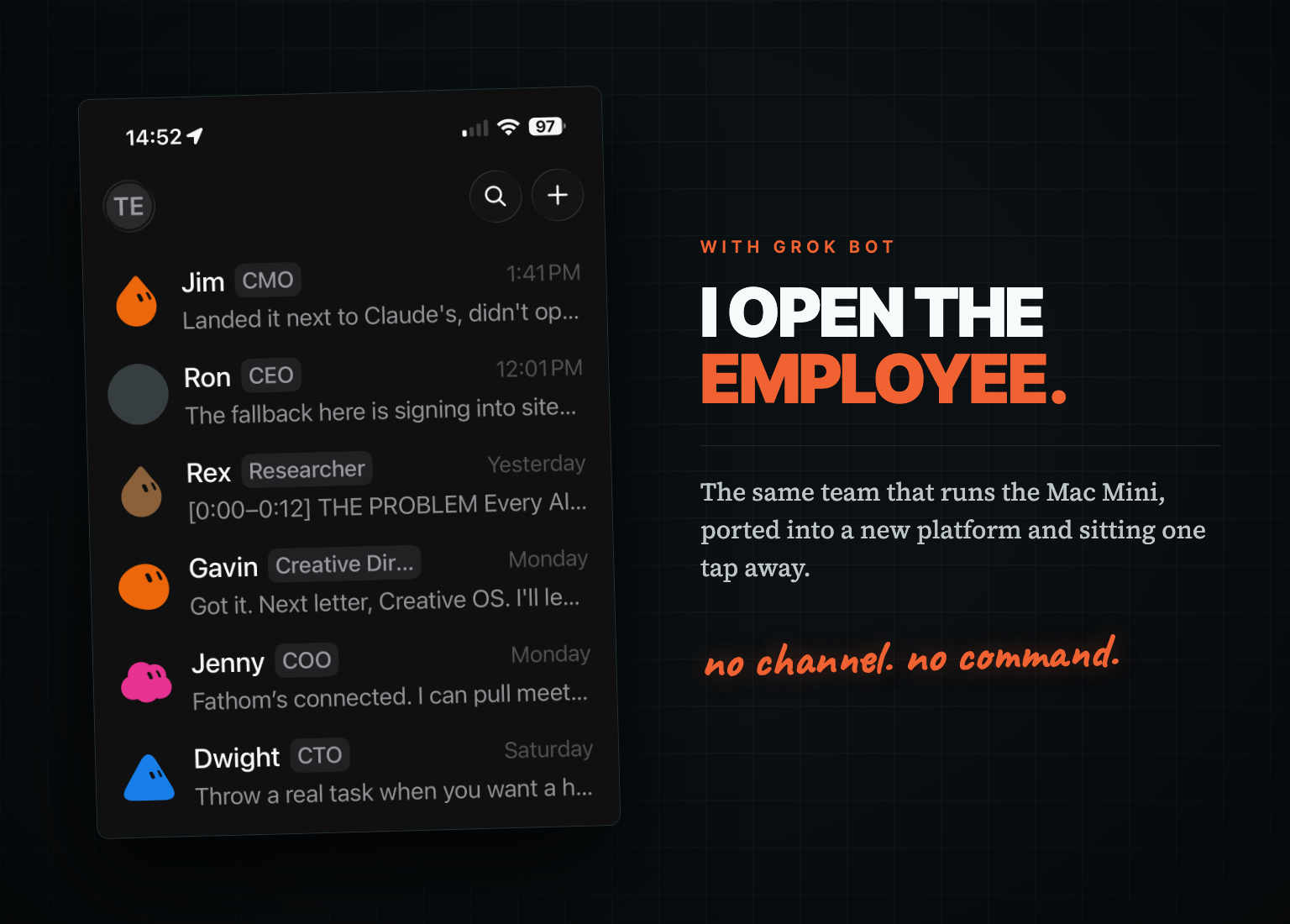
That missing layer of friction matters way more than it sounds like it should. The moment I have a thought, I open the app and say it. No channel. No command. No tiny pause where my brain decides this can probably wait until I get back to my desk... which is where good ideas go to die.
You can also show a bot how you complete a repeatable task, save that as a routine, and let it run again later.
You do not have to build the little digital office first.
The office is already there. Furnished. Lights on. No Saturday assembly instructions written in a language that looks like a robot's grocery list.
That removes an enormous pile of crap from the beginning... and the beginning is where most people quit.
Hermes works differently.
The worker lives on a machine you control. In my case, that's the Mac Mini. I like it that way because I control the computer, I can use practically any frontier model I want, and I can configure the living hell out of it.
My current Hermes setup can use my ChatGPT subscription, so I'm not paying a separate fee every time Jim thinks really hard. I can swap models. Add unusual tools. Change how the whole thing works underneath.
I can also break it.
And when I break it, the head of technical support is me.
There's nobody else.
I have filed complaints with myself.
Grok Bot keeps you inside the xAI and Cursor ecosystem and handles most of that infrastructure for you. You give up some flexibility. You also give up a mountain of bullshit.
For somebody running a real business who does not want a second job, that's a hell of a trade.
The reason it worked had almost nothing to do with setup
I could easily let you leave with the wrong impression here.
Grok Bot did not understand my business because it's magic.
It understood my business because I had already done the boring work.
My voice. My audience. My offers. My stories. My proof. My workflows. Every correction I've saved after an agent handed me something that sounded like a press release from a company that doesn't exist.
All of it sits in plain files that any of these systems can read.
I made the whole case in Your AI Agent Is Only As Smart As the Brain You Give It. The valuable part of your AI setup should live outside the tool.
That decision is why I could walk into Grok Bot, point it at the business, and get useful work without starting another six-month relationship.
I already had specialized agent lanes too, and those same named lanes now work across Claude, Hermes, and Grok Bot.
Ron supervises. Jenny handles operations. Jim handles marketing. Gavin handles creative. Each one has a job, context, rules, and history inside each platform.
Which is mildly confusing when I talk about them, because "Jim wrote this" no longer tells you which building Jim was sitting in.
So when it matters, I'll say Hermes Jim, Claude Jim, or Grok Bot Jim.
Same employee file. Different office.
I did not sit down in Grok Bot and rebuild my team. I ported over the useful part and let the new platform read it.
The brain made switching easy.
The agent lanes made the team portable.
Grok Bot made the infrastructure somebody else's problem.
Open it with none of that context and you'll still get an impressive agent. You'll also get an impressive stranger sitting at a computer inside your business, confidently doing things while learning what you meant.
Maybe don't hand the stranger the company credit card on Tuesday.
Grok Bot and Hermes are for two different people
I'm not going to tell you Grok Bot killed Hermes. That's the kind of stupid sentence people write when they need something dramatic to put on a thumbnail.
They make different tradeoffs.
Grok Bot is where I'd start if you want the infrastructure handled for you.
Install it. Connect your tools. Give it context. Start working.
Hermes is where I'd stay if you want control over the infrastructure. You choose where it runs. You choose the models. You decide how the pieces connect, and you can build something much stranger and more specific to you.
Grok Bot gives you a furnished apartment.
Hermes gives you land, lumber, and permission to put a whiskey bar in the basement.
I know which one sounds more fun to me.
I also know most people just need somewhere to live by Thursday.
So if you're non-technical and this is your first serious agent, I'd start with Grok Bot.
If you're already a power user, you like tinkering, or your business needs unusual integrations and tighter control over where everything runs, Hermes is still ridiculously capable.
And if you already have something working, leave it alone. Don't tear apart a functioning business because a new toy showed up on a Friday.
Use what works.
You can start for $20. I'm paying $60.
xAI recently opened Grok Bot access through the $20 per month Cursor Pro plan.
That's where I'd start if I were testing my first bot.
I'm using Cursor Pro Plus at $60 per month. For me, that's the sweet spot because it gives me higher Grok Bot usage limits without jumping to the $200 Ultra plan.
I'm using it as an actual business operator, not opening it twice a month to ask for a chicken recipe. The extra room makes sense for me.
It may not make sense for you yet.
Start at $20. Give the agent a real job. If it starts doing useful work every day and you keep hitting the ceiling, upgrade.
Do not buy the expensive plan because somebody on X drew a red arrow pointing at it.
Make the cheap plan earn the upgrade.
Your first agent should be a Chief of Staff
Most people will tell you to start with one tiny specialist.
Inbox Bot. Newsletter Bot. Weekly Report Bot.
I understand the logic. Narrow jobs are easier to supervise.
But I would still start with one Chief of Staff or CEO agent.
One generalist that learns how your business works, what you're trying to accomplish, where everything lives, and which decisions still belong to you.
The title is not permission to "run the whole company." That's how you create a very expensive mess.
It's a coordination role.
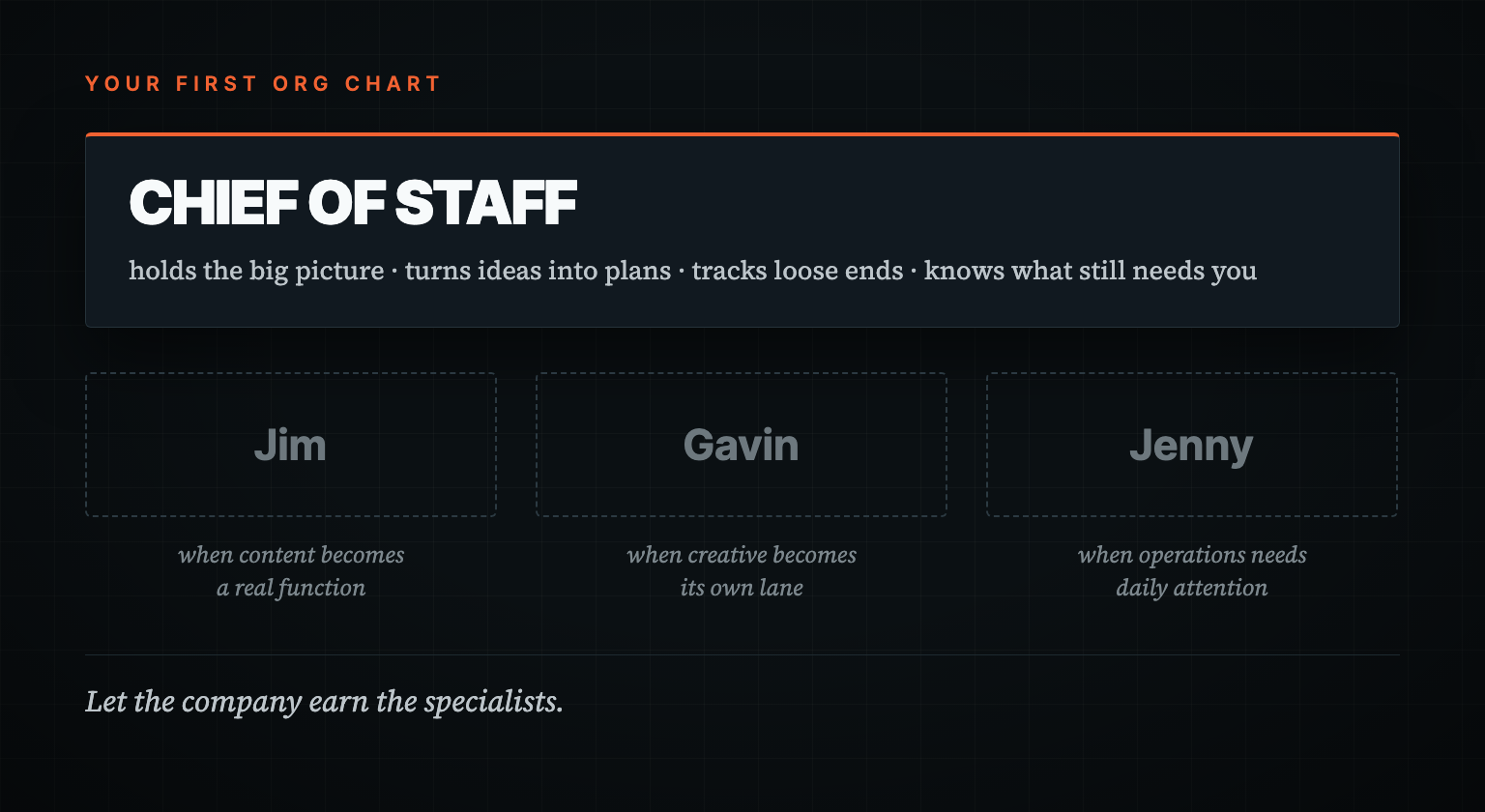
The Chief of Staff holds the big picture. It helps turn vague ideas into plans. It prepares work. Tracks loose ends. Notices recurring jobs. Learns which things you care about and which things make you irrationally angry on a Friday afternoon.
Then, as the work grows, you sliver off specialists.
Your Chief of Staff notices that content has become a real function. Now you create a Jim.
Creative becomes its own lane. Now you create a Gavin.
Operations needs daily attention. Now you create a Jenny.
The specialists do the deep work. The Chief of Staff keeps the company from turning into twelve separate robot group projects.
That's how I would build it from scratch.
That is not how I personally entered Grok Bot, because I already had the specialists. I ported Ron, Jenny, Jim, Gavin, and the rest into the new platform and kept moving.
You do not need to copy my org chart on day one.
One agent first.
Chief of Staff.
Let the company earn the specialists.
Here's how I'd set it up this weekend
First, give the Chief of Staff a real charter.
Not "run my business."
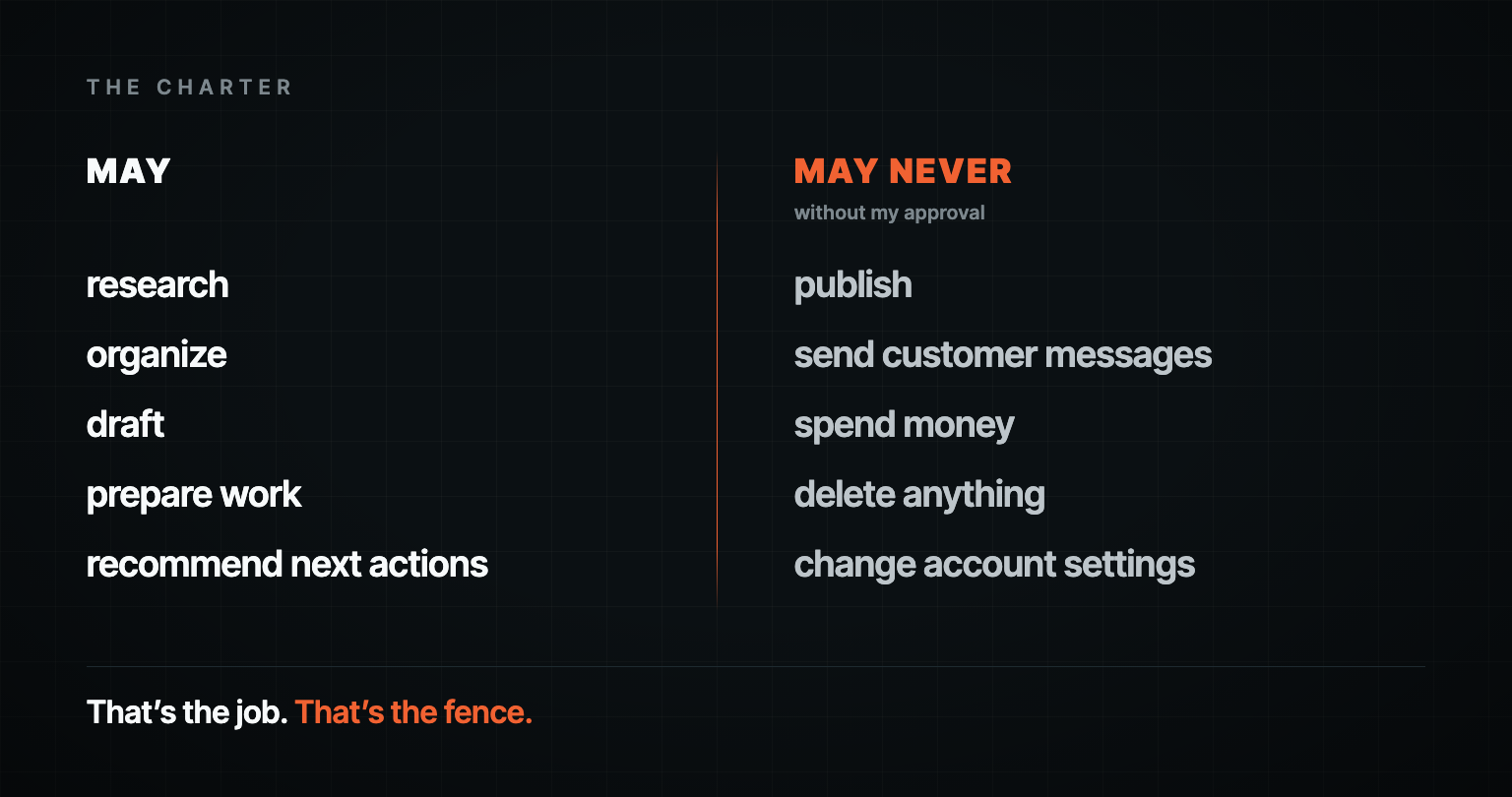
Write down what it owns, what good work looks like, and where its authority stops.
Something like this:
You are my AI Chief of Staff. Your job is to understand my priorities, help turn ideas into plans and finished work, coordinate recurring projects, and keep track of loose ends. You may research, organize, draft, prepare work, and recommend next actions. You may never publish, send customer messages, spend money, delete anything, or change account settings without my approval. When one function becomes large or specialized enough to deserve its own agent, recommend the role and prepare the handoff.That's the job.
That's the fence.
Put both in writing.
Second, give it your business brain before you hand it a giant to-do list.
At minimum: your voice, audience, offers, stories, examples of work you actually liked, and what "good" looks like inside your company.
I have free templates for the six files I'd build first here.
Skip this and your Chief of Staff will spend the first month confidently guessing. You hired somebody and refused to tell them what company they work for.
Third, connect only what it needs for the first real job.
Your files. Maybe your calendar. Maybe your CRM. Maybe email in a read-and-draft capacity.
It does not need your bank account, unrestricted sending authority, your legal documents, and every customer conversation you've had since 2009.
Limited access is good management.
Fourth, give it one real recurring area to help with.
Not because it will stay narrow forever. Because you need a place to learn how the two of you work together.
Your weekly leadership review. Preparing the newsletter. Organizing your priorities and following up on open work. Pick something you already understand well enough to know within four seconds whether the result is useful.
Then actually supervise the first few runs.
"No. Draft only. Don't send."
"You missed the part where I approve the subject line."
"That sounds like a brochure. Say it like I would say it."
Correct it in the same conversation, the way you would a new hire. Save the corrections that keep coming up. Tighten the boundaries.
Once a workflow becomes boring and reliable, turn it into a routine.
Once a function gets deep enough that the Chief of Staff is becoming the bottleneck, sliver off the specialist and let the Chief of Staff coordinate it.
That's how one agent becomes a team without you waking up Monday morning as the exhausted middle manager of twelve bots you hired on Sunday.
Autonomy gets earned.
Let it carry the coffee before you hand over the keys to the building.
Where I actually landed
Two weeks ago I'd have given you a long, confident answer about Hermes.
It would have been a good answer.
It also would have been the answer of a guy who owns a dedicated computer for his robot employees.
That's not where most people are starting.
Most people have a real business, a pile of repetitive work, and absolutely no interest in becoming a part-time systems administrator on the side.
Grok Bot meets them a lot closer to where they are.
It gives the agent a computer. It handles the plumbing. It lets you begin with the business instead of beginning with the infrastructure.
So if you're not technical and this is your first real agent, start there.
Create one Chief of Staff. Give it a brain worth using. Let it help with one real area of the business. Keep money, publishing, customer promises, and anything destructive behind your approval.
Then let the work tell you which specialist should exist next.
I'm still using Hermes.
Hermes Jim is still sitting here helping me finish this letter and pretending the entire thing is not personally insulting.
I'm not replacing a system that works just to chase this week's shiny object.
But if I were starting fresh today, with no dedicated machine, no appetite for settings files, and no interest in spending the weekend figuring out why my new employee can't find the internet...
I'd start with Grok Bot.
Then I'd hand it the part of my business no platform can give me.
The brain.
If you want to build that first, start with The AI Business Brain guide. It gives you the six files I would create before letting any agent loose in a real business.
And if you want the voice, audience, positioning, stories, proof, and visual identity built as a complete foundation, that's what The Magnetic Brand System is for.
Build the part you own.
Then let the machines compete for the job.
Until next time,

—Tim Erway

P.S. Grok Bot is still early. Anything touching money, customer messages, publishing, legal commitments, or destructive changes stays behind my approval in every system I run. Start it on work you can undo. Watch the first few runs. Widen the door after it earns your trust. A nicer front door does not make an unsupervised robot any less capable of doing something profoundly stupid.
P.P.S. Yes, Hermes Jim helped write the issue recommending Grok Bot. Somewhere, Grok Bot Jim is reading this and feeling smug. Claude Jim probably has notes. This is why I now have to specify which office the imaginary employee is sitting in.