The Most Powerful AI Agent Just Got Stupid Easy
For months I could watch the exact moment I lost someone. It was always right around "okay, now open your terminal."

For the last few months, every time I told someone about Hermes, I could see the exact moment I lost them.
It was always right around "open your terminal."
You know the terminal…
It’s that black window with the blinking cursor that makes it look like you're about to hack the Pentagon. The one thing on a computer that still makes smart, capable adults slide their laptop away like it's radioactive.
And here's the problem with that... the people I was losing were not AI beginners. They were already getting real work out of AI every day. Real assistants. Real projects. Real results.
These were capable people.
But asking a capable person to install an autonomous agent through a command line, edit a stack of settings files, paste in a bunch of secret keys, and then decide how much access to hand the thing... that’s a helluva leap.
I watched that leap lose people who absolutely should have been running this thing.
Just over a month ago, Hermes Desktop removed the leap.
Same agent. Same brain. A real app in a real window, instead of a blinking cursor daring you to type something.
But I want to be straight with you, because "there's an app now" is the easy story and it's not the interesting one.
The interesting story is what the app made me realize…
The Terminal Was the Price of Admission
Let me explain what the app actually removes.
It's the same Hermes underneath. Same brain, same memory, same skills, same access to my tools. A session I start in the app, I can pick back up in the terminal (or Discord, Telegram, WhatsApp, iMessage, etc.), and the other way around.
Nothing about the engine changed.
What changed is I can actually see it work now.
Responses stream in live. I can watch what it's doing while it does it... there's a panel that shows me the file it's writing or the page it's reading while the conversation keeps going.
When it hands work to one of its little helpers, I get a window into that too, so delegated work is something I can actually watch instead of something I have to trust blind.
The first run walks you through setup like any normal app. Updates handle themselves. And the settings that used to look like a robot's grocery list... which AI models to use, which tools it can touch, what runs on a timer... are now just settings. Menus. Checkboxes. Things a human being can read without a YouTube tutorial and a prayer.
That matters. Like… a lot.
Because the terminal was quietly working as a filter this whole time. And it was filtering out exactly the people who'd get the most out of this.
Building the Machine and Running the Machine Are Two Different Jobs
Here's the part that matters…
For a long time I lumped all of this under one word. "AI." One big bucket. Coding assistants, chat agents, my newsletter team, the automations humming along in my office... all just "the AI stuff."
Which is like calling your framing crew and your property manager "the house people." Technically true. Completely useless.
There are two different jobs in that bucket.
The first job is building the machine. Websites. Integrations. The actual systems the business runs on. That's construction work, and it's a job for a coding agent... sleeves rolled up, changing files. (That's how TimErway.com got built, with Claude Code doing the hammering.)
The second job is running the machine. Once the systems exist, somebody has to operate them. Coordinate the pieces. Move the work along. Remember what happened last week. Tell me how to make it better.
That's Hermes.
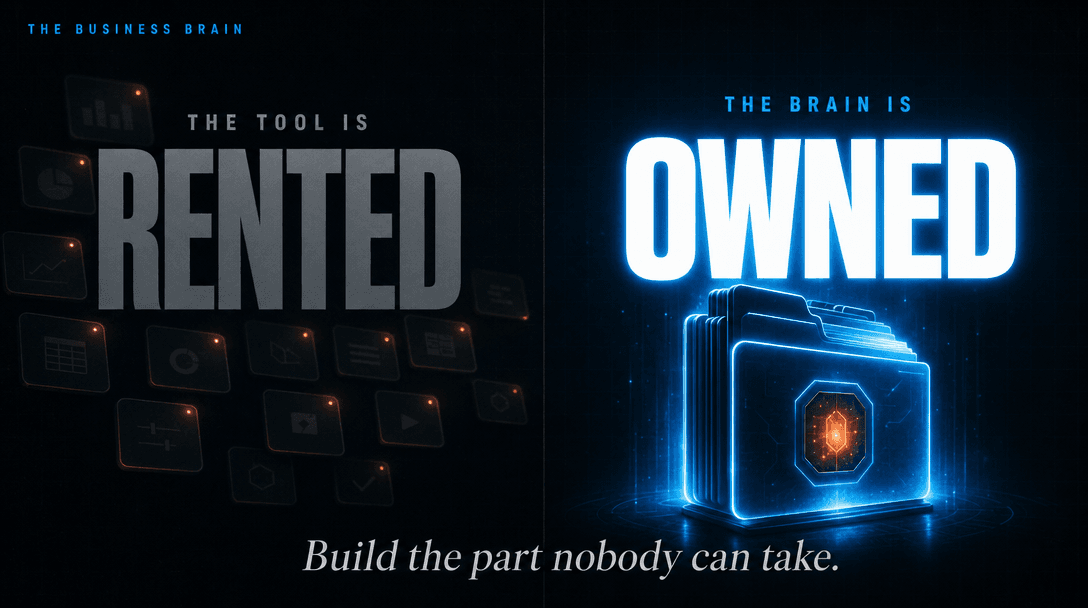
And if you're not technical, this distinction should make you feel better, not worse. Because the construction job was never going to be your first stop anyway. Most of what you actually want from AI is the running job... somebody who operates the tools you already have, keeps track of everything, and talks to you like a person.
That's the job that just got easy to hire for.
Most of my conversations with the team happen in Discord, and a lot of them happen on my phone. Half the decisions in this letter got made while I stood at the kitchen counter in my pajamas, waiting on the coffee, arguing with my marketing department by text.
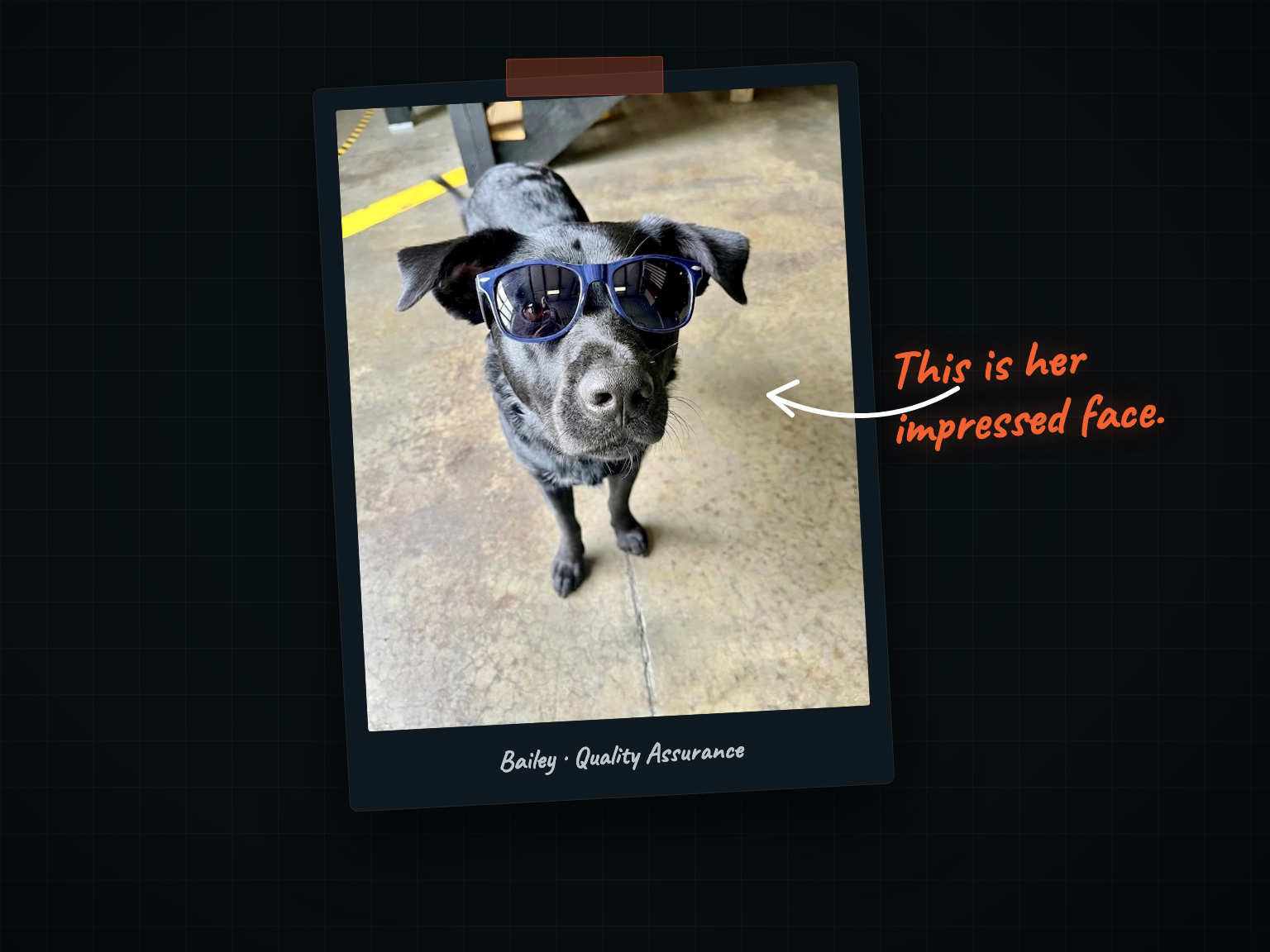
Bailey watched me do it. She was not impressed. She's never impressed.
I already told you I stopped caring which agent wins, because they all read the same pile of files. That's still true. But there's a simpler question hiding under "which AI is best," and it's this: which tool builds, and which tool operates?
Two different jobs. I've learned to reach for a different tool for each. Same business underneath. And the operating job is the one that matters to most of you.
The Newsletter You're Reading Right Now Proves It
Watch how this exact letter got made.
It started as a conversation with Jim in my #newsletter channel in Discord. Me, brain-dumping from my phone. Jim's my marketing guy... he researches the topic, pushes back on my bad ideas, and helps me turn a rambling voice-of-Tim mess into an actual angle and outline.
Once I approve the direction, Jim hands the draft off to Murray.
Murray writes it. Pulls from the brief, from my voice files, from every published newsletter that came before this one. If you're wondering why the voice holds up draft after draft, that's the Brand DNA doing its job... the same context layer I walked through when I showed you how to build your first AI marketing assistant.
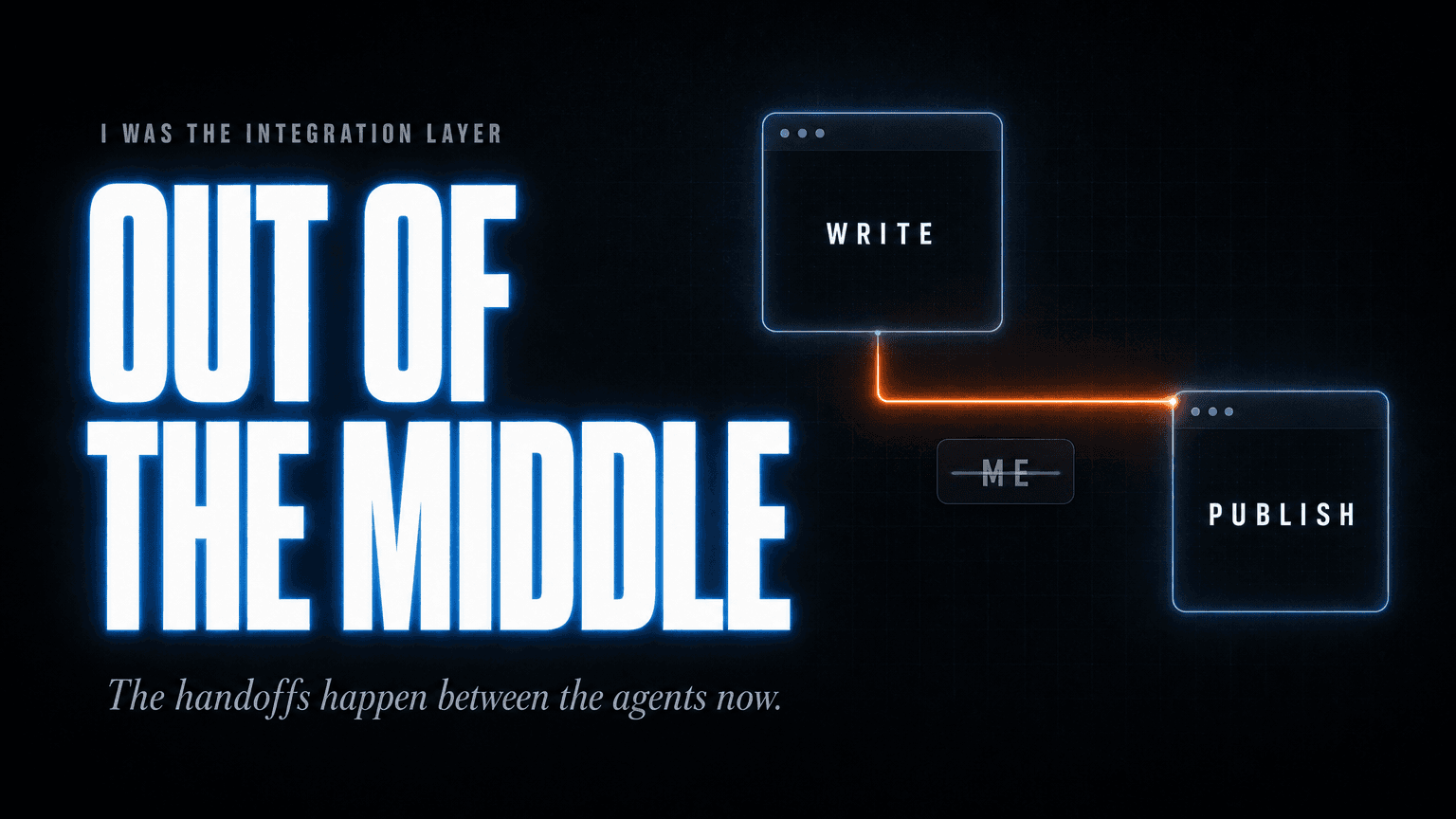
Then I read it. And here's a detail that makes everything easier. I don't open some separate "Murray conversation." I don't manage files. I don't chase the draft around three apps like I used to. I talk to Jim, and the changes happen.
When I'm finally happy with the copy, Jim writes the image plan and hands it to Gavin, who makes the art.
Once the art's ready, Hermes stages the whole thing. An unpublished draft of this letter, sitting on TimErway.com. The finished email, formatted and ready to send.
Two finished publication drafts. Site and email. Waiting for me to approve.
And then the machine stops and hands me the keys.
Because I publish the website post myself. I click Send myself. Those two decisions stay with me, on purpose. More on why in a minute.
But look at what actually just happened. A conversation on my phone moved a half-baked idea all the way to two finished drafts. Research, angle, copy, revisions, art, a website draft, an email draft.
"The AI helped write a newsletter" is a 2024 sentence. This is a phone conversation running the whole machine.
The Feature That Actually Matters: It Keeps Going
Now the part I'm genuinely excited about. And I don't get excited about software much anymore.
For most of the last year, my number-one frustration with agent systems wasn't that they couldn't do things. It's that they wouldn't KEEP doing things.
They stopped constantly. To ask stupid questions.
"Should I create this file?" Yes. Obviously dumb ass.
"Should I run this next step?" That's literally the task I gave you.
"Can I proceed?" Dude… are you serious?
Working with most agents is like hiring a $200,000 employee who knocks on your door every ninety seconds to ask if he's allowed to use the stapler. Totally lame.
In my thirteen weeks running my old OpenClaw setup, sustained autonomy was the thing it never really cracked for me. It might have gotten better since... I'm not tracking their releases anymore, so take that as my experience at the time, not a scoreboard. But back then, I had to keep poking the work to keep it alive. And when you're the thing keeping the work alive, you haven't bought yourself much.
Hermes just... keeps going.
I give it a real outcome and it works through the obvious next steps until the outcome exists. It'll chug along for hours. It's smart about what actually needs my eyes... the genuinely risky stuff gets flagged for my review, the harmless stuff just happens. And I've given it a do-not-touch list it will not cross no matter what.
So I stay involved where judgment lives. Not on every mechanical step in between.
Any agent will start working. The thing I'd been chasing for a year was one that keeps working after I've wandered off to make lunch.
Now, fair warning, so I don't oversell it. This isn't "install it and get flawless six-hour autonomy on day one." What you're seeing is a system I've tuned over months. Clear workflows. Permissions I actually thought about. A pile of accumulated context. The autonomy is earned, not out of the box. But it's real, and it's the difference between a toy and an operator.
I Can Change My Mind While It's Working
Here's the one that surprised me most.
In basically every AI tool I've used, once a long job starts, I've got two options. Wait. Or kill it and start over.
Sit on my hands, or blow it up.
Hermes gives me a third option. I can steer it while it's running.
Say it's halfway through building the newsletter package and I suddenly remember there's an old issue this one should link back to. In the old world, I'm stuck... either I wait for the whole run to finish and fix it after, or I kill the run and lose the work.
Now I just tell it about the link.
It finishes the step it's in the middle of, absorbs my note, and keeps moving. Same run. No restart. I added context mid-flight and it adjusted.
I can manage it like a producer talking into an anchor's earpiece during a live broadcast. Add missing context. Shift the emphasis. Catch a wrong turn before it becomes twenty minutes of wrong work.
Without throwing away everything it's already done.
I didn't know how much the wait-or-kill trap was costing me until I stopped living in it.
Why I'm More Comfortable Recommending It Now
I've been careful about who I tell to run an autonomous agent. For good reason. So let me be honest about what the app does and doesn't change here.
It does not make Hermes "safe." A pretty interface is not a leash. An agent with broad access to your computer is still an agent with broad access to your computer, and anybody who tells you a nice-looking app changed that is selling you something.
What the app does is make responsible use practical. Which is a different, quieter claim. And it's true.
I can see every action as it happens, in plain English instead of a wall of logs. The risky stuff gets held for my approval, the do-not-touch list holds even when it's running on its own, and my work areas are walled off from each other... so the agent running my content can't wander into my books.
But the biggest one, if the phrase "autonomous agent on my computer" makes your neck sweat, is this.
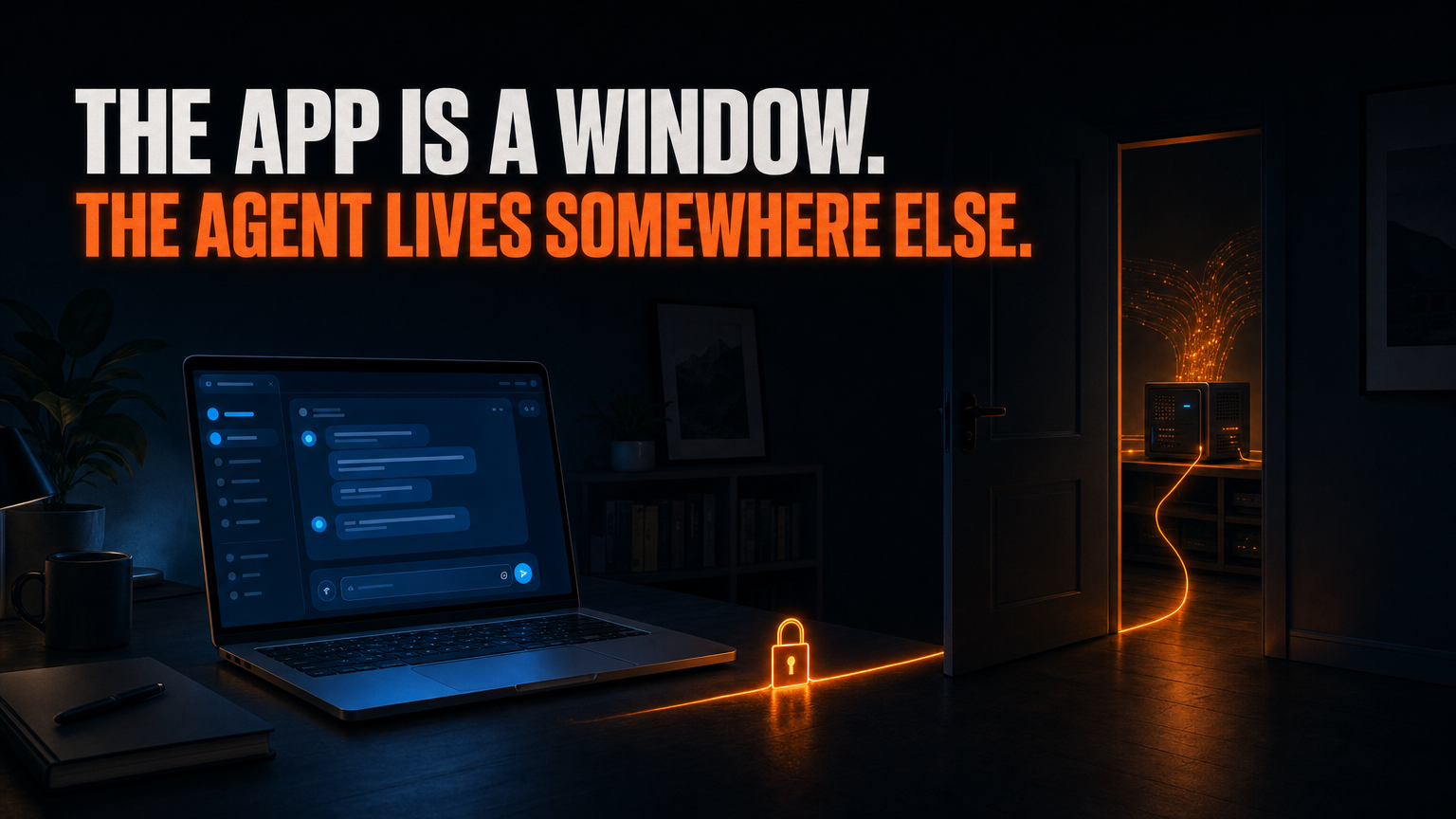
The app and the agent don't have to live on the same computer.
The polished app runs on my everyday laptop. The actual agent... the worker, with all the access... lives on a little Mac Mini in my office, humming along with the door closed. It could just as easily be an old desktop in a closet, or a cheap rented computer in the cloud. The app on my laptop is just a window into it, and I log in the same way I log into my bank.
That's the real answer to "I don't want an autonomous agent loose on my main computer."
You don't have to put it there. You can give it its own machine, and drive it from a window on yours.
And underneath all of it, the human gates stay bolted down. Hermes drafts. I publish the site. I send the email. Customer messages, purchases, ad spend, anything destructive or hard to walk back... those stop and wait for a human, because that's exactly where an agent should have to stop and ask.
Start small. Limited tools. Reversible tasks. Earn the trust, then widen the door.
That's not me being cautious for the newsletter's sake. That's literally how mine is configured tonight.
From Useful Tool to the Layer That Runs the Business
The newsletter's the proof, but it's not the only thing riding on this layer.
The same operating model handles a bunch of the movement in my business. Somebody can’t access a course, and an email goes out without me touching anything. The CRM gets watched, and the deals that actually need my eyes get flagged. The simple, repetitive support questions get answered inside boundaries I set.
None of that is glamorous. All of it used to be a customer support person I had to pay for.
Hermes handles the movement. I handle the judgment.
That's the design. Nobody serious is trying to automate everything and walk away. The real work is deciding, on purpose, what to build, what to automate, what to supervise, and what to never let out of your hands.
So let's draw that map. Right now. It takes ten minutes.
The One-Page Map (Do This Tonight)
You don't need Hermes to do this part. You need a sheet of paper and three columns.
Column one: Build. The stuff that doesn't exist in your business yet and needs to be constructed once. A website. A connection between two tools that don't talk to each other. A calculator, a portal, a form. One-time construction projects.
Column two: Run. Everything you (or somebody you pay) do repeatedly to keep the business moving. Follow-ups. Reports. Staging content. Chasing status updates. Moving information from one tool into another. Be brutally honest filling this one out... it's bigger than you think, and it's the column an operator agent eats.
Column three: Keep. The judgment calls that stay human on purpose. Money leaving the building. Promises made to customers. Anything you can't un-send. This column is short, and it should be. But everything in it gets a hard gate.
Then take column two and ask one question about each item: "What would this look like as a conversation instead of a chore?"
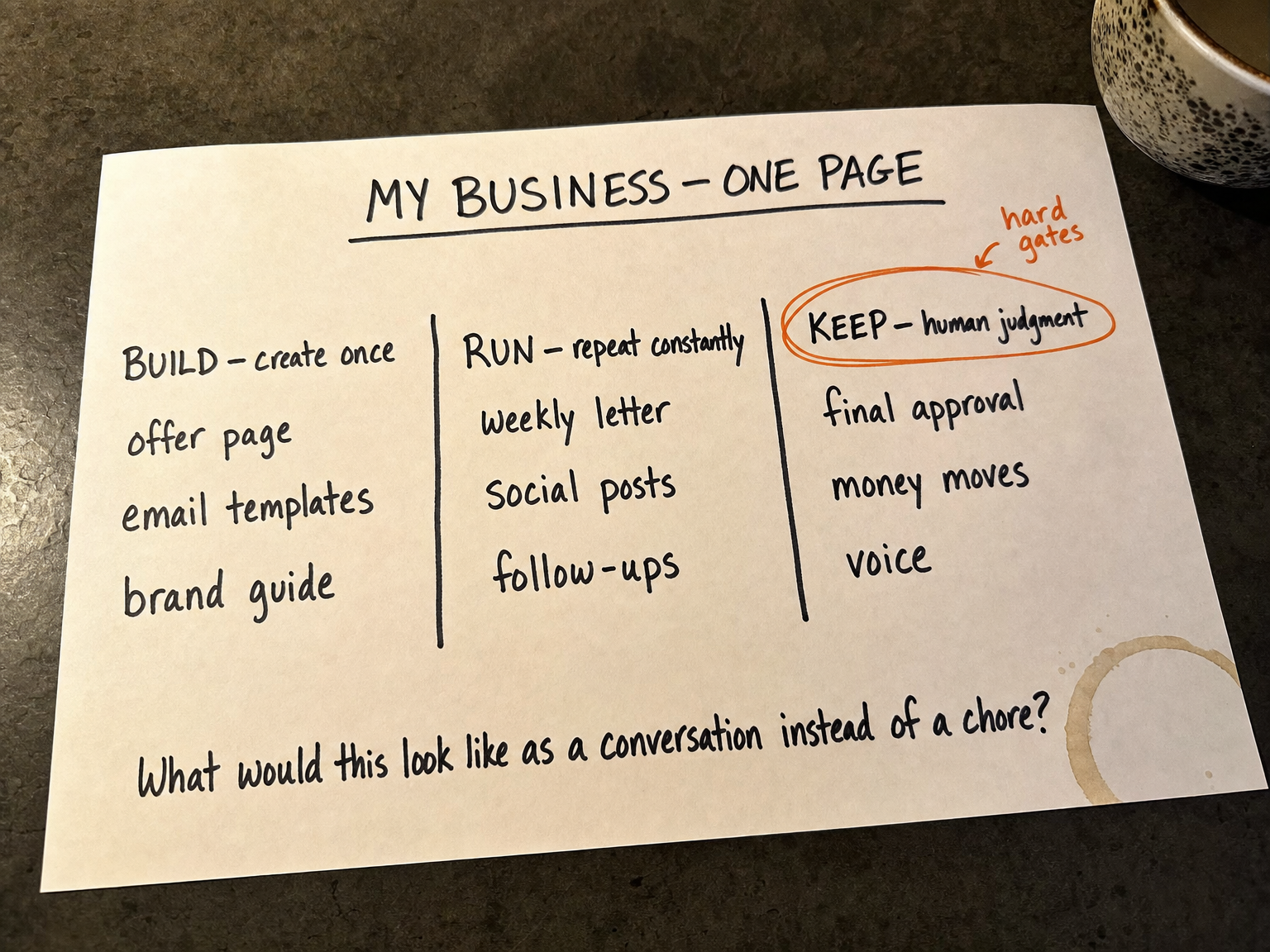
That's your automation roadmap. In priority order. Most people aren't stuck because the tools are hard anymore... they're stuck because they never drew the map.
If you want help drawing yours... what to build, what to hand to an operator like Hermes, and where the human gates belong for your specific business... that's exactly what I do here:
Build Your Custom AI Plan With Me
Until next time,

—Tim Erway

P.S. I set this whole thing up over months of terminal commands and settings files, back when that was the only door in. Back when the best advice I could give you was a one-day setup you ran from the command line. It worked. But every time I recommended it, I lost people at that door. Hermes was already capable. Desktop just stopped making you prove you were a terminal nerd before you could use it. If the terminal was the only thing standing between you and running your business from a conversation... it isn't anymore.